Understanding Grieving and Mourning: Key Differences
Understanding Grieving and Mourning: Key Differences
When experiencing loss, terms like "grieving" and "mourning" are often used interchangeably. However, understanding the nuances between these concepts can aid in navigating the complex journey of healing. This exploration highlights their distinct aspects, offering insight into how individuals cope with loss.
Grieving is an internal process, encompassing the emotional responses triggered by loss. It is deeply personal, shaped by an individual's relationship with the deceased, cultural background, and personal beliefs. Grieving can manifest in various emotions, such as sadness, anger, confusion, and even relief.
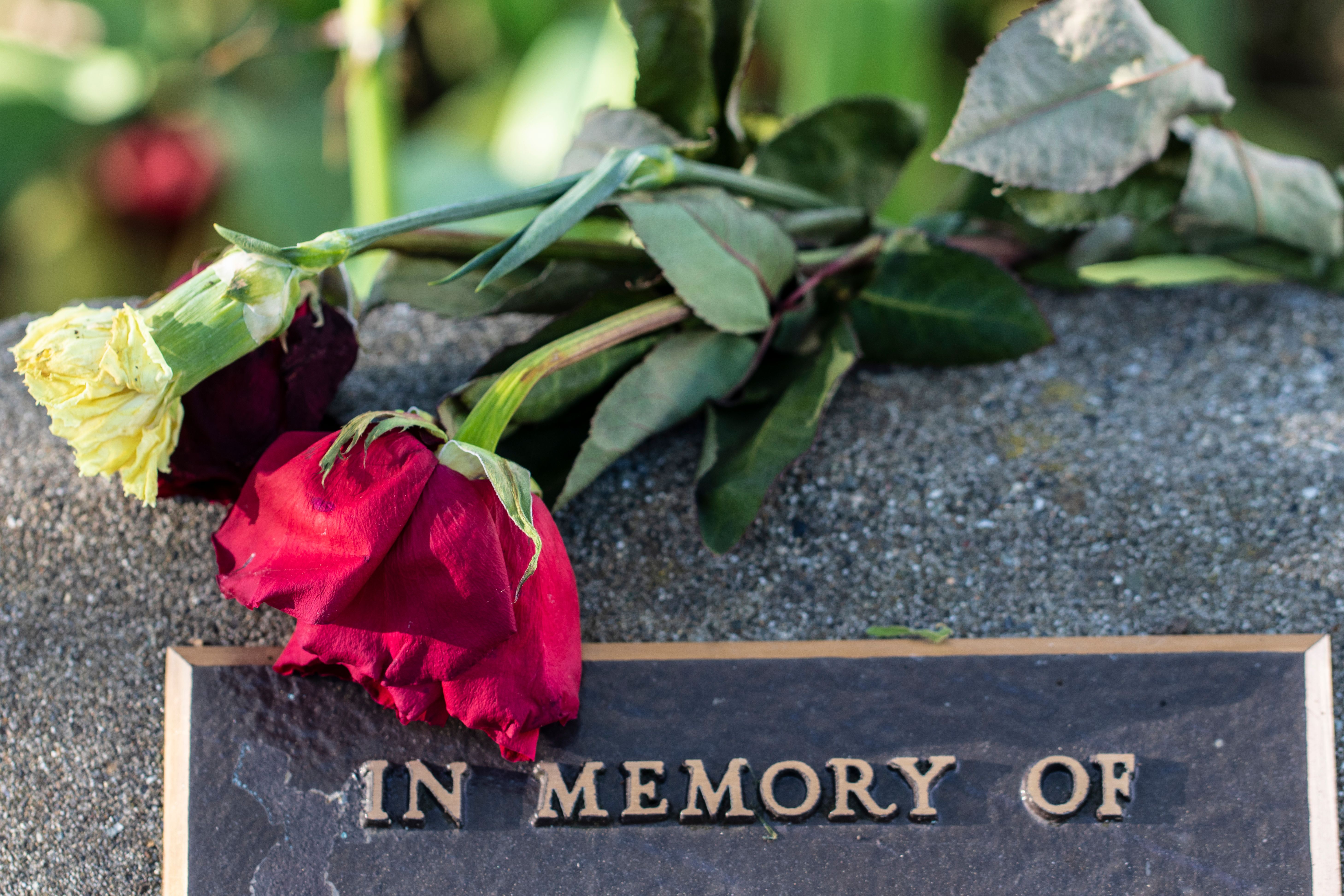
Unlike grieving, mourning involves the outward expression of grief. It is how individuals choose to honor and remember the deceased, often involving rituals or traditions. Mourning practices can vary significantly across cultures and religions, reflecting the diverse ways societies handle loss.
How Grieving and Mourning Interact
While grieving and mourning are distinct, they are interconnected. The internal feelings of grief can influence how one mourns, and vice versa. For instance, a person experiencing intense grief might find solace in attending a memorial service, which provides a structured way to express their emotions.
Both processes are vital for healing. Grieving allows individuals to process their emotions internally, while mourning offers a communal space for shared remembrance and support. Balancing these aspects can be crucial for finding peace.
Common Mourning Practices
Mourning practices can include:
- Holding a funeral or memorial service
- Visiting the deceased's resting place
- Participating in cultural or religious rituals
- Creating a memorial, such as a garden or tribute
These activities provide an opportunity to express grief publicly and receive support from friends and family. They also serve as a reminder of the deceased's impact and legacy.
Personalizing Grief and Mourning
Everyone's journey through grief and mourning is unique. Some may find comfort in traditional rituals, while others might seek personalized ways to honor their loved ones. This could include creating art, writing letters, or participating in activities the deceased enjoyed.
It's important to acknowledge that there is no right or wrong way to grieve or mourn. What matters most is finding approaches that resonate with the individual, offering comfort and closure.
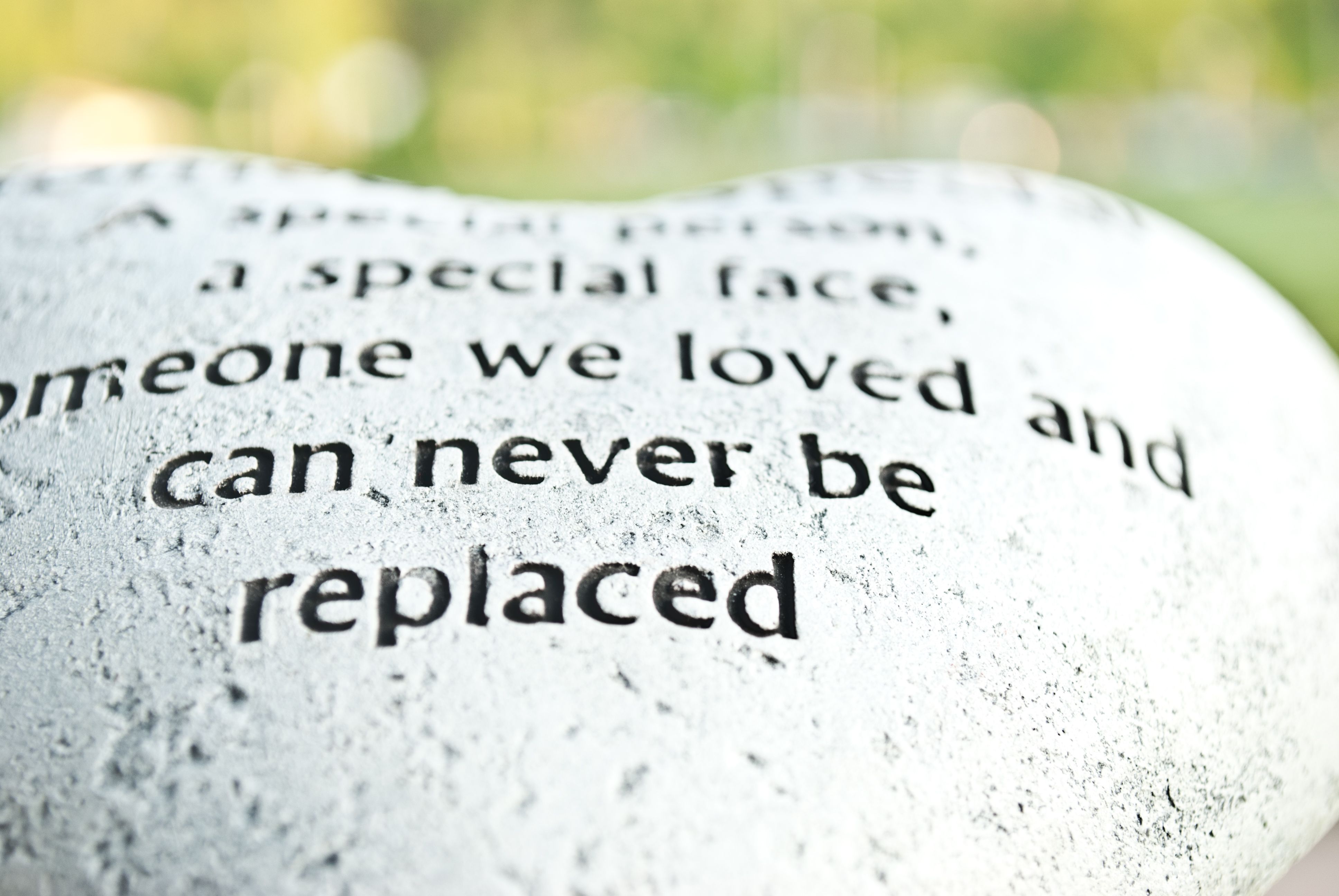
Understanding the differences between grieving and mourning can empower individuals to embrace their emotions and express them in ways that feel authentic. By recognizing these distinctions, we can better support ourselves and others as we navigate the path of loss and healing.